




THE BARRIGEL™ SPACER
PATIENT
BLOG
Bob’s Proactive Approach
Bob’s Proactive Approach
When Active Surveillance Turned to Radiation Therapy, Bob Explored Barrigel Spacer for Reducing Rectal Side Effects
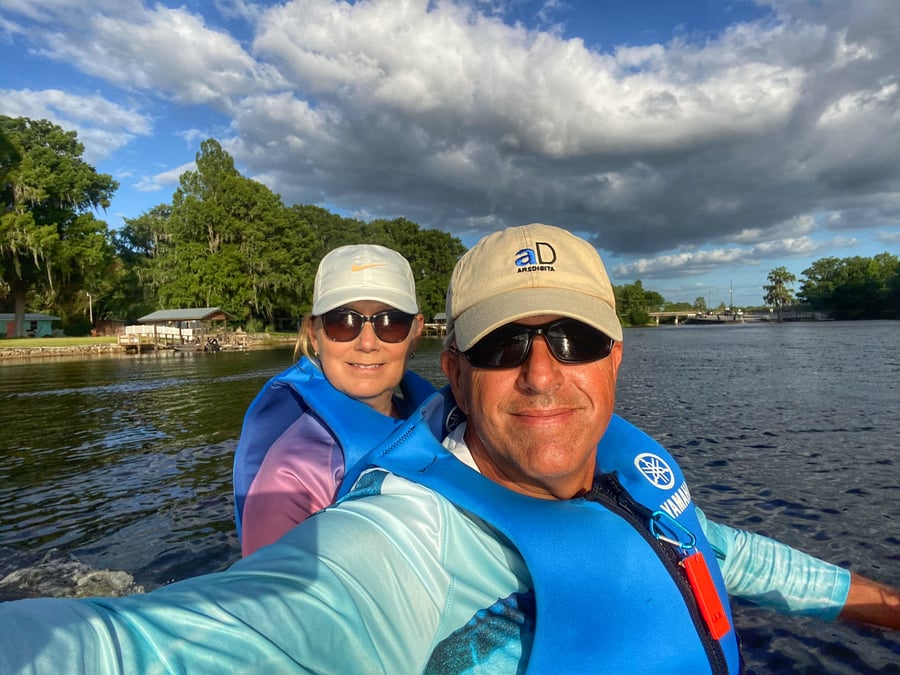
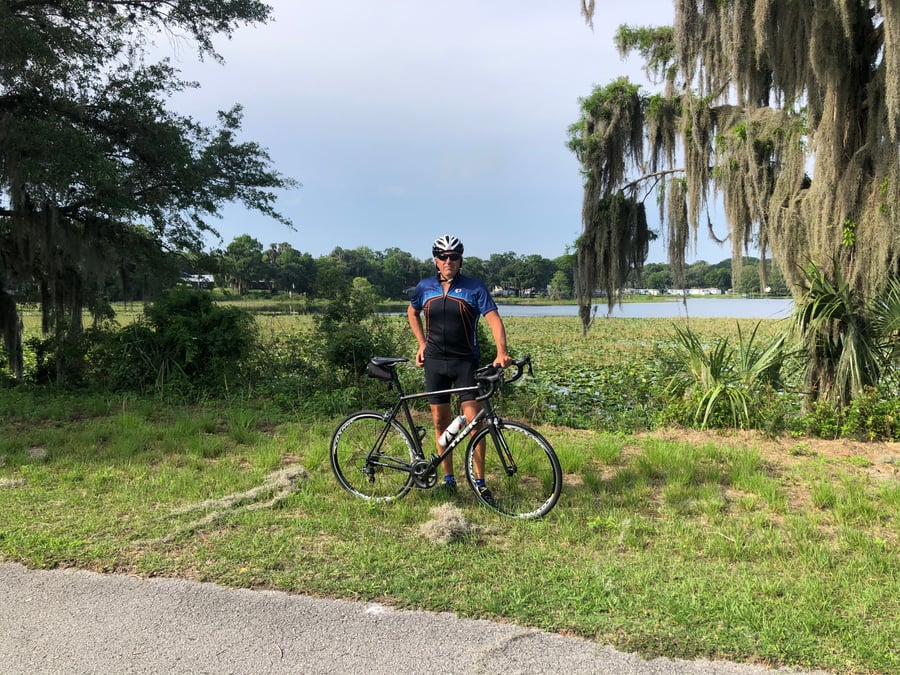
Being active is a way of life for Bob.
Living in Colorado Springs with his wife, Bob spends his retirement cycling Colorado's roads and trails, hiking, and playing pickleball three times a week. Between visits with his daughter and grandchild nearby and trips to see his family on the East Coast, he has every reason to keep doing the activities he loves.
“I've always believed you have to take care of yourself if you want to keep doing the things you love,” he said.
“If creating space between the prostate and rectum could help reduce radiation exposure to the rectum during treatment, it just made sense to me," he said. "I wanted all the protection I could get.”1
That mindset extended to his health. At his doctor's recommendation, Bob began routine PSA screenings about a decade ago. Although his PSA never rose above 4.0, it gradually increased over several years, prompting his physicians to continue monitoring it closely.
In February 2023, an MRI-guided prostate biopsy confirmed prostate cancer, and he entered active surveillance. Eventually, the time for treatment approached, and he and his physicians agreed that stereotactic body radiation therapy (SBRT) would be the right path forward.
Speaking Up for His Care
Bob approached every step of treatment with the same mindset he brought to the rest of his life: ask questions, understand the options, and make informed decisions. While preparing for radiation, Bob had read about potential side effects and wanted to explore every available option that might help protect his quality of life. His wife agreed.
“We both felt that if there was a way to take every reasonable precaution, why wouldn't we?” Bob said.
When he met with Dr. Zack Piotrowski to have fiducial markers placed before radiation, they discussed Barrigel™ rectal spacer. Dr. Piotrowski had previous experience using Barrigel spacer and took the time to answer Bob's questions and explain the procedure.
Bob appreciated having a physician who listened to his concerns and partnered with him in the decision-making process.
For Bob, choosing Barrigel spacer was an easy decision.
“If creating space between the prostate and rectum could help reduce radiation exposure to the rectum during treatment, it just made sense to me," he said. "I wanted all the protection I could get.”1
Looking back, Bob is grateful he spoke up about wanting to discuss Barrigel spacer and found a physician who took the time to talk through his options.
A Straightforward Procedure
Bob received Barrigel spacer before beginning five radiation treatments. The procedure was performed using a local anesthetic, and Bob was surprised by how quickly it was over. He felt no pain during or after the procedure and experienced no bowel symptoms during radiation.
After taking about seven weeks away from cycling, Bob was eager to get back outdoors. Today, he's back to riding, hiking, and keeping his regular pickleball schedule.
His PSA has continued to decline following treatment, and he remains encouraged by his progress. About nine months after completing radiation, Bob underwent a routine colonoscopy. After reviewing his medical history, his gastroenterologist told him everything looked healthy, with no visible signs of irritation or scarring.
“I was happy to hear everything looked good,” Bob said.
Encouraging Other Men to Ask Questions
Today, Bob is an active member of an online prostate cancer support community, where he shares his experience with other men facing similar decisions. He also encourages his own family to stay proactive about prostate health. His son, now around 40, has already begun PSA screening.
Looking back, Bob is grateful he spoke up about wanting to discuss Barrigel spacer and found a physician who took the time to talk through his options. Being proactive wasn't just about treating prostate cancer but about protecting the active life he enjoys with his wife, children, and grandchildren.
“I wanted to make the best decision I could with the information I had,” he said. “For me, it was about taking every reasonable precaution so I could move forward with confidence.”
References
1. Mariados NF, Orio PF III, King MT et al. JAMA Oncol (2023)*§
*Study sponsored by Palette Life Sciences, now part of Teleflex.
§One or more authors have/had a financial relationship with Teleflex.
Want more info?
Provide your email to receive helpful information, useful guides, and occasional updates.
You can unsubscribe at any time.


